

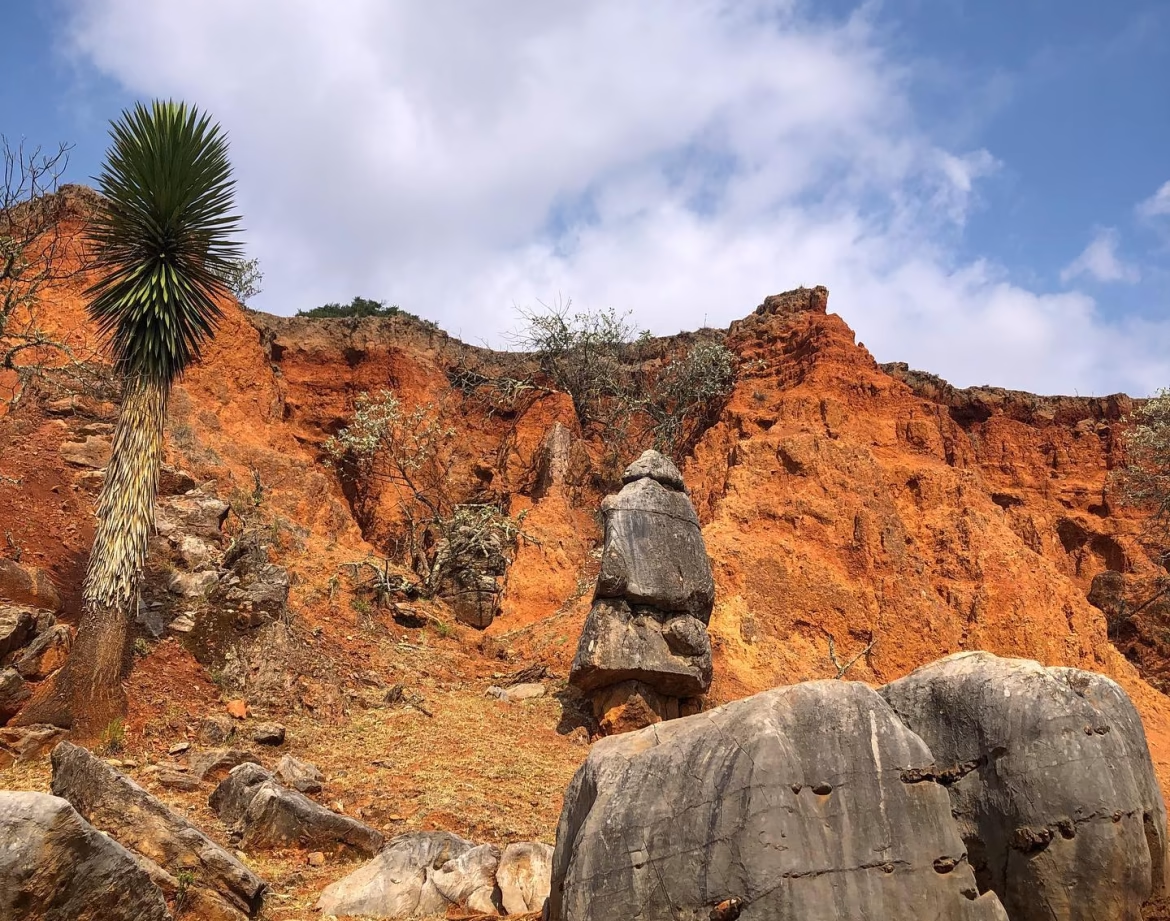
Grand Canyon of Red Dunes
MONTE CALDERA
In the semidesert area of Monte Caldera, San Luis Potosi, Mexico, there’s a location informally known as the “Gran Cañón Colorado de Dunas Rojas” (Grand Canyon of Red Dunes) due to its impressive red-hued dunes and formations that resemble a landscape from another planet. The area is part of the state park network and is crossed by the “Sendero del Capitán” (Captain’s Trail), a marked hiking route that also passes through picturesque mining towns reflecting the region’s history. The environment is a semi-desert with xerophytic scrub and yuccas as it lies at the beginning of the Chihuahuan Desert.
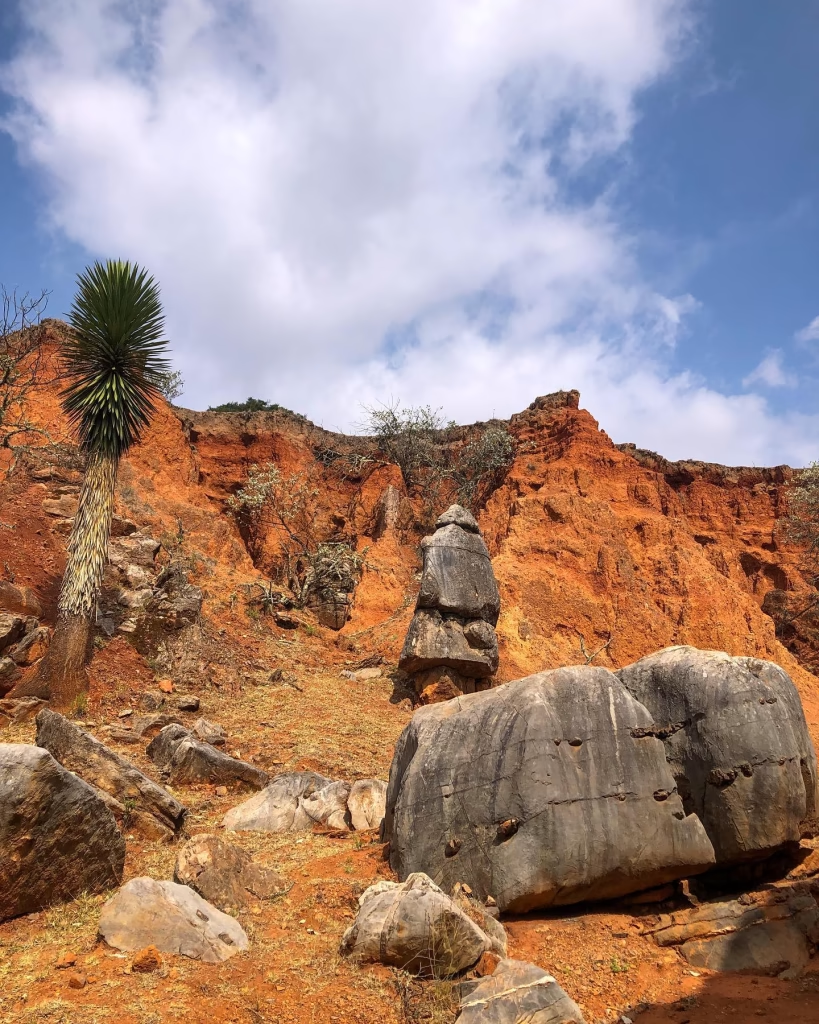
Image source: IG gloriaaacharq
KEY FEATURES:
Location and Landscape: It’s situated within the semidesert of Monte Caldera, in San Luis Potosí, Mexico, between Monte Caldera and Jesús María. The region is characterized by impressive red-hued dunes and formations that evoke the appearance of a landscape from another planet.
Geology: The reddish color of the dunes is attributed to the presence of oxidized iron in the soil and the proximity to the mineral deposits of Cerro de San Pedro. The formations are also described as geological formations that have been shaped by erosion over thousands of years.
Biodiversity: This area is part of the Chihuahuan Desert, which is known for its diverse flora. Native plants include various types of yuccas, ocotillo, turpentine bush, prickly pears, false mesquite, sotol, ephedras, agaves, and brittlebush.
Recreational Opportunities: The “Gran Cañón Colorado de Dunas Rojas” is part of the state park network and is crossed by the “Sendero del Capitán” (Captain’s Trail), a marked hiking route. AllTrails lists a moderately challenging 8.7-mile loop trail near Cerro de San Pedro, San Luis Potosí, which passes along the Sendero del Capitan trail. Civitatis also details a 19-kilometer hiking route along the Sendero del Capitán that takes about 12 hours and visits places of historical interest, including Monte Caldera and Armadillo de los Infante.
Cultural and Historical Significance: The Sendero del Capitán also passes through picturesque mining towns that reflect the region’s rich history. These towns are likely related to the historical mining activity in the San Luis Potosí area, which includes the Cerro de San Pedro mine that was exploited for silver and other minerals.
Conservation Status: The area is protected as part of the state park network, highlighting its importance for conservation.
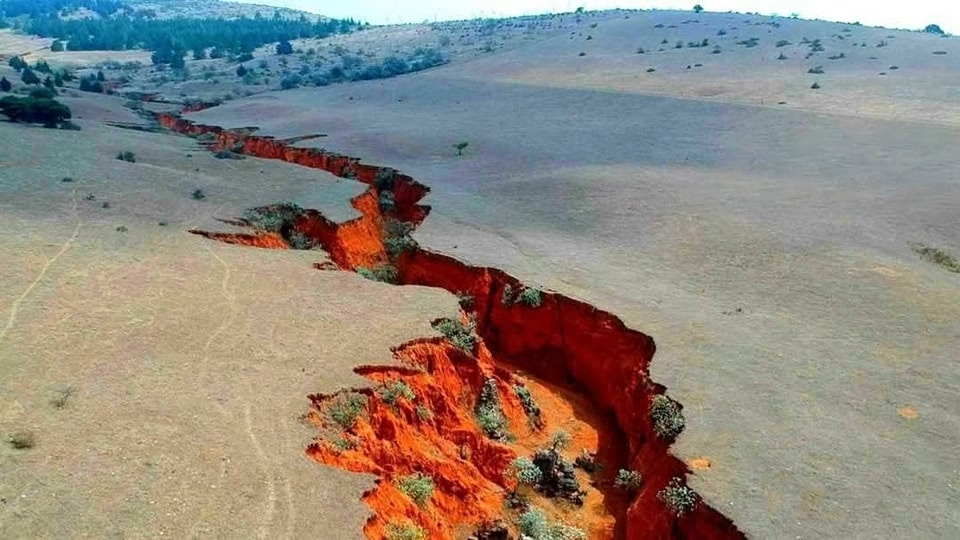
Image source: Codigo Rojo Todas las noticias San Luis Potosi’s